Most companies are asking the wrong question about AI.
They ask, "Where can we add AI?"
I think the better question is simpler:
If someone on your team does the same task manually more than once, why is that task still manual?
And if the task needs judgment, context, prioritization, or follow-up, why is AI not in charge of at least part of it?
That sounds aggressive until you look at where time actually goes inside a business. It is not usually one giant broken process. It is dozens of small repeatable loops.
Someone exports a report every Monday.
Someone checks the same dashboard and sends the same summary.
Someone triages incoming requests and routes them to the right person.
Someone compares invoices against expected usage.
Someone reads alerts, decides which ones matter, and opens tickets.
Someone copies information from one system into another because the systems technically integrate, but not in the way the business actually works.
That is where production AI belongs first.
Not in a demo. Not in a chatbot bolted onto the side of a website because someone wanted to say they use AI. Production AI should start where the business already has repeatable work, known pain, and measurable value.
My Methodology
The way I approach AI integration is practical. I do not start with the model. I start with the workflow.
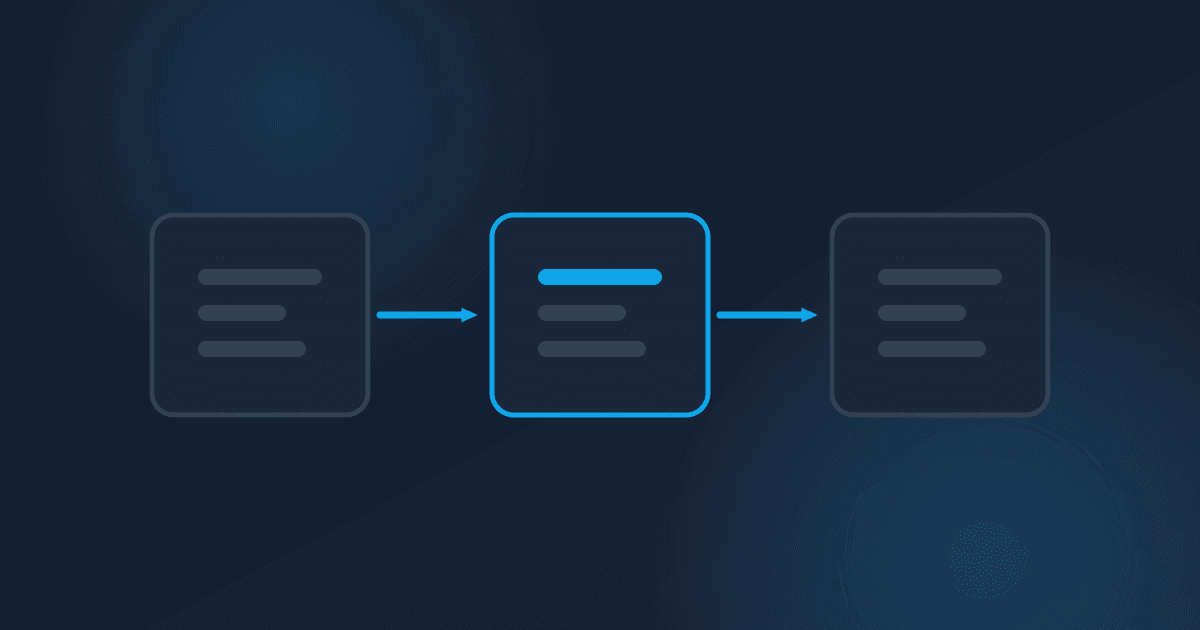
First, identify the repeatable manual loop.
If a task has been done twice, it deserves inspection. If it has been done ten times, it deserves a system. The goal is to find work that already has a pattern: recurring reports, review queues, intake forms, cloud cost checks, compliance evidence collection, sales follow-up, ticket routing, operational summaries, and anything else people keep doing because nobody has stopped long enough to redesign it.
Second, document how the task is actually done.
Not how the process diagram says it works. How it really works. What does the person check first? What do they ignore? What makes them pause? What causes escalation? What systems do they touch? What judgment calls do they make?
This matters because a bad manual process automated with AI is still a bad process. It just fails faster.
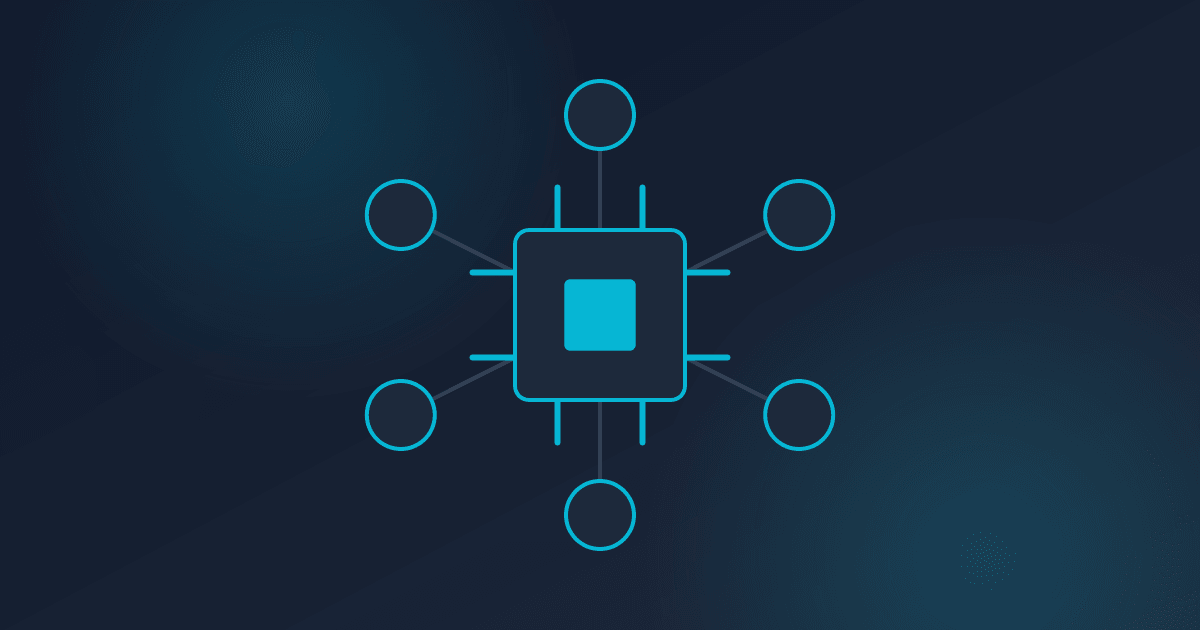
Third, split the workflow into three parts: deterministic automation, AI judgment, and human approval.
A script should handle the parts that are exact. Pull the data. Format the report. Check the threshold. Create the ticket. Update the record.
AI should handle the parts that require context. Summarize the signal. Classify the request. Compare patterns. Draft the response. Recommend the next action.
Humans should stay in the loop where the cost of being wrong is high. Approving a customer-facing message. Making a financial commitment. Changing production infrastructure. Disabling a security control. Anything with legal, operational, or reputational risk.
That is the line most teams miss. AI integration is not "let the model do everything." It is designing the workflow so each part is handled by the right type of system.
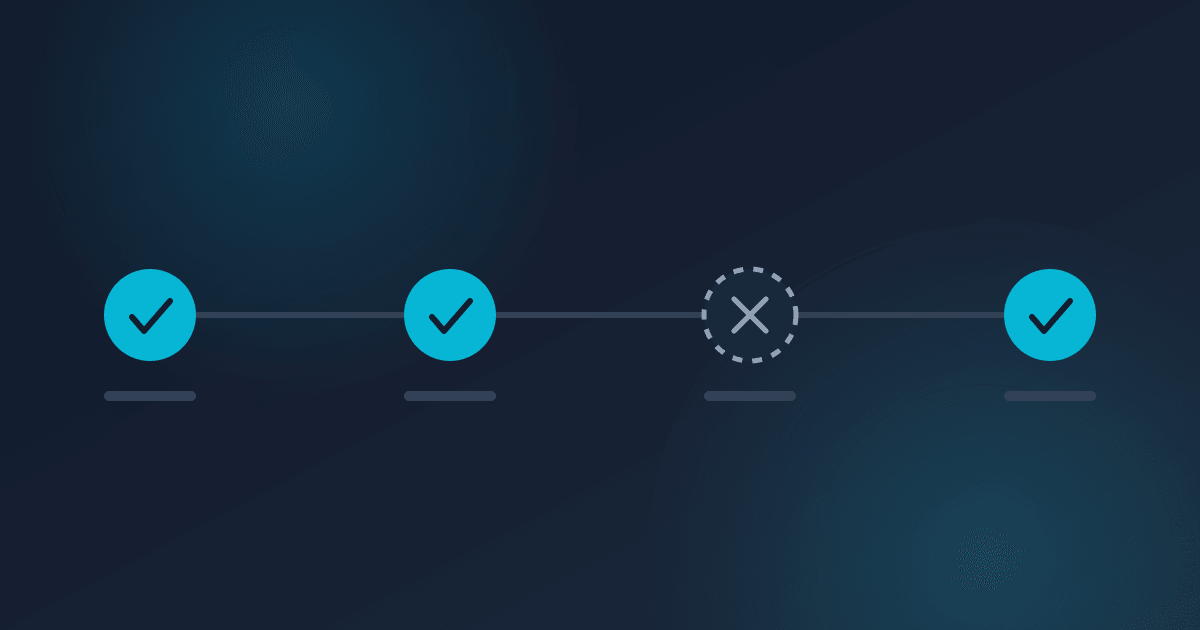
Fourth, add proof gates before trust.
I do not trust AI because it sounds confident. I trust it when it produces evidence.
For production use, every AI-owned workflow needs a way to prove what happened. Inputs, outputs, reasoning artifacts when appropriate, logs, timestamps, approvals, retries, failures, and rollback paths. If the system takes action, it should leave a trail. If it recommends action, the recommendation should point back to the data that drove it.
This is how AI moves from novelty to operations.
Fifth, measure the business value.
The value is not "we used AI." Nobody cares.
The value is that a report went from two hours to two minutes. A cloud cost anomaly was caught before the bill closed. A support queue got triaged before Monday morning. A compliance package took a day instead of a week. An engineer stopped doing copy-paste work and spent that time fixing something real.
If you cannot name the saved time, reduced risk, improved visibility, or faster decision, the AI work is probably theater.
The Production Pattern
A production AI workflow should look more like an operating system than a chat window.
It watches for signals.
It gathers context.
It decides what kind of work needs to happen.
It runs the safe parts automatically.
It escalates the risky parts.
It explains what it did.
It keeps a record.
That is a very different mindset from "give employees access to a chatbot and hope productivity appears."
Chat is useful. I use it constantly. But chat is not the destination. Chat is the interface. The real value comes when AI is connected to workflows, tools, policies, data, and accountability.
That is where companies start getting durable gains instead of impressive screenshots.
A Simple Test For Any Business Process
Pick one recurring task and ask these questions:
- Who does this today?
- How often do they do it?
- What systems do they touch?
- What decisions do they make?
- What happens if they make the wrong decision?
- What evidence would prove the task was done correctly?
- Which steps can be automated with normal code?
- Which steps need AI judgment?
- Which steps need human approval?
- What would be different if this ran every day without someone remembering to do it?
That last question is usually where the value shows up.
Most businesses have work that only happens because a reliable person remembers to do it. That is not a process. That is a dependency.
AI integration, done correctly, turns those dependencies into systems.
The Guardrails Matter
This is also where I get cautious.
Putting AI in charge of a workflow does not mean removing responsibility. It means making responsibility explicit.
The system needs permissions. It needs limits. It needs escalation rules. It needs observability. It needs a failure mode that does not create a bigger problem than the one it was supposed to solve.
For production AI, I care about questions like:
- What can the agent read?
- What can it change?
- What requires approval?
- What gets logged?
- Who gets notified when confidence is low?
- How do we test the workflow before it touches production?
- How do we shut it off quickly if it behaves incorrectly?
That is not bureaucracy. That is how you keep AI useful instead of dangerous.
Where To Start
Start with boring, valuable work.
The best first AI workflows are usually not flashy. They are the tasks everyone agrees are necessary but nobody wants to own forever.
Cloud cost review.
Security alert triage.
Weekly executive summaries.
Client follow-up drafts.
Compliance evidence gathering.
Ticket routing.
Knowledge base cleanup.
Operational checklists.
These are strong starting points because the business already understands the task. The workflow already exists. The pain is already proven. The AI does not need to invent value. It needs to remove friction from value the business already knows it needs.
The Standard I Use
My standard for production AI integration is simple:
If the work is repeated, capture it.
If it is predictable, automate it.
If it needs context, add AI.
If it carries risk, add approval.
If it matters, log it.
If it saves time or reduces risk, measure it.
That is the methodology.
AI should not be treated like a magic layer sprinkled over a company. It should be treated like an operational capability. A way to take repeatable human effort, encode the process, add machine judgment where it helps, and keep people focused on the decisions that actually require them.
So the next time a team member says, "I do this every week," that should trigger a question.
Why?
And then the follow-up:
Why is AI not running that yet?
If your team has workflows that keep depending on the same person remembering the same task, Edwards Consulting Group can help turn that work into a governed AI-enabled operating motion with the right automation, guardrails, and proof gates around it.
Written by
Chris EdwardsPrincipal Consultant, Edwards Consulting Group
Chris Edwards is the principal consultant at Edwards Consulting Group, where he helps organizations reduce AWS spend, harden their cloud security posture, and put AI to work in production. He writes about cloud architecture, FinOps, cybersecurity, and practical AI integration drawn directly from client engagements.
More about Chris Edwards→